High-Frequency Data Feeds and Real-Time Charting: The Streaming Technology Behind Modern Forex Trading
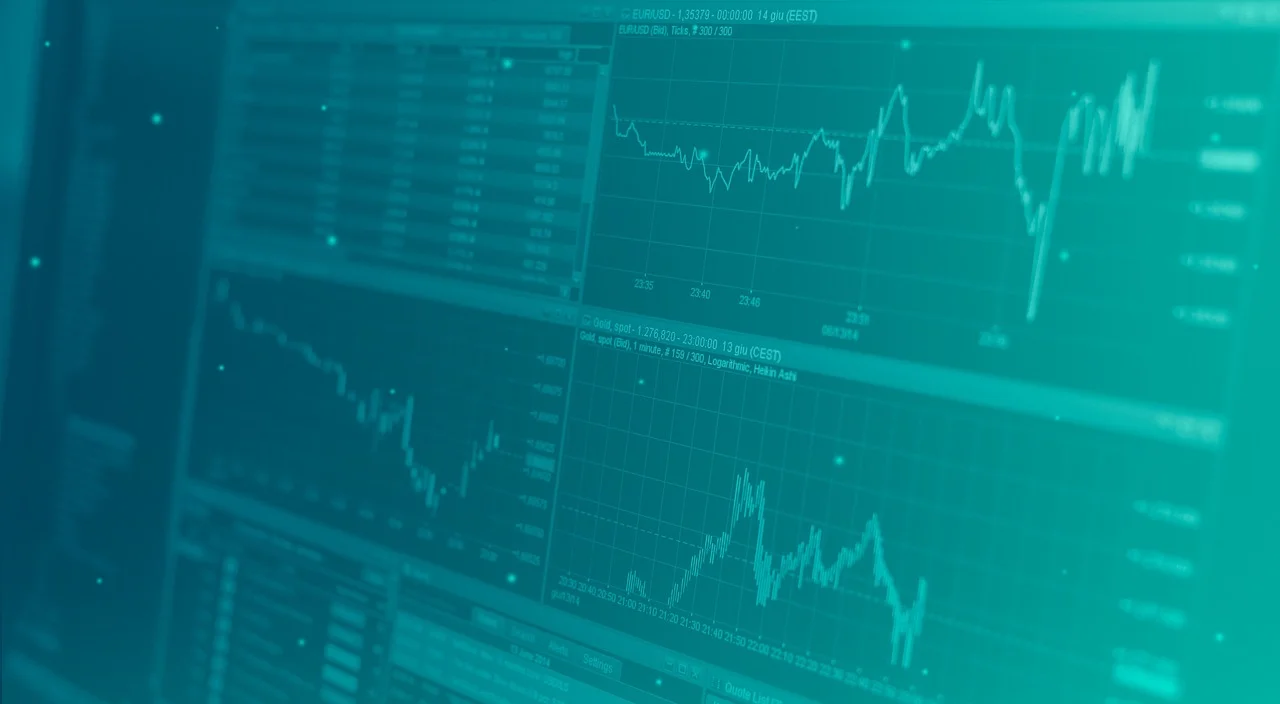
The Invisible Engine of Currency Markets
When a retail trader clicks 'buy' on a currency pair, a chain of events unfolds in milliseconds. Behind the sleek interface of a trading platform lies a sophisticated pipeline of high-frequency data feeds, real-time charting engines, and ultra-low-latency execution protocols. This infrastructure—borrowed from the same streaming and codec technologies that power video conversion and high-bandwidth multimedia—is what separates a seamless trading experience from a frustrating one. Understanding the technology behind modern forex trading offers valuable insight into how execution speed and data fidelity shape trading outcomes.
From Tick Data to Real-Time Charts
Forex markets generate an enormous volume of tick data every second. Major pairs like EUR/USD can see thousands of price updates per minute during volatile sessions. Streaming this data efficiently requires compression algorithms and transmission protocols originally developed for video and audio streaming. Just as a video codec balances quality against bandwidth, market data feeds must deliver price precision without overwhelming the client's connection.
The Role of Low-Latency Protocols
Modern trading platforms increasingly rely on WebSocket connections and binary data formats to push price updates in real time. Unlike traditional polling methods, these persistent connections reduce overhead and ensure that charts reflect the latest market conditions. For traders using established regulated brokers like OANDA's currency trading platform, the difference between a 50-millisecond and a 500-millisecond update can materially affect entry and exit decisions, particularly during news events or high-volatility windows.
Charting Interfaces as Data Consumers
Real-time charting is not merely a visual convenience; it is a data-intensive application. Candlestick charts, depth-of-market visualizations, and indicator overlays all consume streaming data and render it at high frame rates. The same rendering pipelines that ensure smooth video playback are now applied to financial charting, where dropped frames or lagging updates can mislead traders about market momentum. Platforms such as tastyfx's forex suite have invested heavily in responsive charting to keep pace with fast-moving markets.
Execution Speed: Where Milliseconds Matter
Execution speed—the time between order submission and fill—depends on a combination of network latency, broker infrastructure, and liquidity access. High-frequency data feeds feed into execution engines that must process orders without bottlenecking. Retail traders may not operate at institutional speeds, but the expectation of near-instantaneous execution has become standard.
Broker comparison resources at ForexBrokers.com frequently highlight execution speed and data feed quality as key differentiators. This reflects a broader truth: in modern retail forex, technology is not a back-office concern but a front-line competitive factor.
- Data compression: Reduces bandwidth without sacrificing tick accuracy.
- Persistent connections: WebSocket and streaming APIs replace polling for real-time updates.
- Edge infrastructure: Servers positioned near liquidity providers minimize round-trip latency.
- Client-side rendering: Optimized charting engines maintain smooth visuals under heavy data load.
The Convergence of Streaming Media and Trading Tech
The parallels between video streaming and forex data streaming are striking. Both require efficient encoding, reliable transmission, and low-latency decoding. Both tolerate neither buffering nor dropped packets. As retail trading platforms continue to evolve, the underlying technology will increasingly resemble the high-performance multimedia stacks that power modern video conversion and streaming services. For traders, this means faster charts, more reliable feeds, and execution that keeps pace with global currency markets.
Risk Warning
Forex and CFD trading involves significant risk of loss and is not suitable for all investors. Past performance is no guarantee of future results. Traders should carefully consider their objectives, experience level, and risk tolerance before engaging in currency markets.